
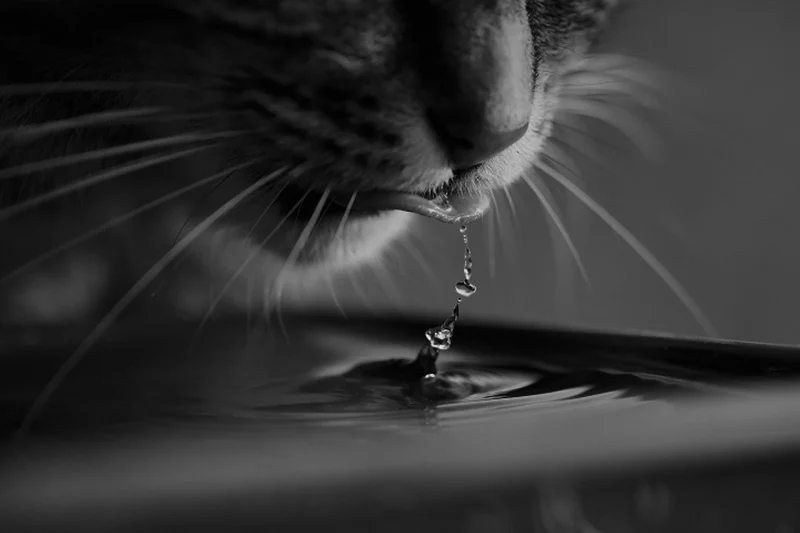
A Diabetic Pet Can Still Live a Full, Happy Life
Drinking more water, urinating more often, or losing weight while eating well can be early signs of diabetes in dogs and cats. At Bridges Professional Park Animal Hospital in Morehead City, NC , we diagnose diabetes with in-house testing, build an insulin and diet plan that fits your household, and stay with you through regular glucose checks so your pet stays stable and comfortable for years to come.
What Is Diabetes in Pets?
Diabetes mellitus is a disorder in which the body cannot use glucose (sugar) properly. Normally, the pancreas makes insulin, a hormone that moves glucose from the bloodstream into cells for energy. When a pet does not make enough insulin, or the body stops responding to it, glucose builds up in the blood while the cells go hungry. Diabetes is one of the most common hormone disorders we see in middle-aged and senior pets, and it is one of many conditions our team manages through our internal medicine service.
Diabetes in Dogs vs. Cats
Dogs usually develop a form similar to type 1 diabetes in people: the insulin-producing cells of the pancreas are lost, so lifelong insulin is needed. Cats more often develop a form similar to type 2 diabetes, where the body resists insulin. Because of that difference, some cats who are diagnosed early and managed closely with insulin and a proper diet can go into remission and no longer need injections.
Common Signs of Diabetes
Diabetes develops gradually, and the early signs are easy to miss. Watch for:
- Drinking much more water than usual
- Urinating more often, larger clumps in the litter box, or accidents in the house
- Weight loss despite a normal or increased appetite
- Lethargy, weakness or less interest in play
- Cloudy eyes or sudden vision loss in dogs, caused by diabetic cataracts
- A dull or unkempt coat
- Weakness in the back legs or walking flat on the hocks in cats
- Recurring urinary tract or skin infections
If your pet is vomiting, refusing food, breathing rapidly or seems very weak, diabetic ketoacidosis may be developing. This is an emergency, so call us right away or see our emergency care page for guidance.
Risk Factors
Any pet can develop diabetes, but some are at higher risk. Excess weight is the single biggest risk factor in cats, which is why helping your pet reach a healthy weight through our pet obesity program matters so much. Other factors include age, genetics and certain breeds, repeated bouts of pancreatitis, long-term steroid use, and hormone changes in unspayed female dogs, a risk that spaying removes.
How We Diagnose Diabetes
Diagnosis starts with a thorough physical exam and a detailed history of what you have noticed at home. We then confirm it with diagnostics and blood work, including blood glucose, a urinalysis to check for sugar, ketones and infection, and a fructosamine test that shows average glucose levels over the past few weeks. We also screen for conditions that often occur alongside diabetes or mimic its signs, such as kidney disease and, in older cats, hyperthyroidism.
Treatment and Daily Management
Most diabetic pets need insulin injections, usually given twice a day with meals. That can sound intimidating, but the needles are tiny and most pets barely notice them. Our team will show you how to store and draw up insulin, give injections and recognize signs of low blood sugar before you go home. Treatment usually includes:
- Insulin therapy tailored to your pet's size, species and response
- A consistent feeding schedule and a diet suited to diabetic dogs or cats
- Steady, regular exercise to help keep glucose levels stable
- Treating infections or other conditions that interfere with insulin, including periodontal disease
Before your visit, completing our nutritional history form helps us recommend the right diet and portion sizes.
Ongoing Monitoring
Diabetes is managed, not cured in most pets, so regular rechecks are part of the plan. In the first weeks, we perform glucose curves to fine-tune the insulin dose. Once your pet is stable, rechecks every few months, along with routine exams and checkups, help us catch changes early. Keep track of your pet's water intake, appetite and weight at home and let us know about any changes. Good dental care also supports glucose control, so ask us about pet dental care for your diabetic pet.
Diabetes is one of several chronic conditions our veterinarians treat. Visit our Conditions We Treat page to learn more, or meet the veterinarians and staff who will care for your pet.
Pet Diabetes FAQs
Can diabetes in dogs and cats be cured?
In dogs, diabetes is usually lifelong and requires daily insulin. In cats, early diagnosis, insulin therapy and a low-carbohydrate diet can sometimes lead to remission, meaning the cat no longer needs insulin. Even pets who need lifelong treatment can live long, comfortable lives with good management.
Are insulin injections painful for my pet?
Insulin needles are very fine, and most pets tolerate injections well, especially when they are given at mealtime. Our team will teach you how to give injections confidently before your pet goes home, and we are happy to review your technique at any recheck.
What are signs of low blood sugar in a diabetic pet?
Weakness, wobbling, trembling, confusion, unusual sleepiness or seizures can mean blood sugar is too low, often from too much insulin or a skipped meal. Rub a little corn syrup or honey on your pet's gums and call us right away.
How often will my diabetic pet need checkups?
Right after diagnosis, we usually see your pet every week or two to adjust the insulin dose with glucose curves. Once your pet is stable, rechecks every three to four months are typical, plus a visit any time you notice changes in thirst, appetite or weight.
What should I feed a diabetic dog or cat?
Diabetic cats generally do best on a high-protein, low-carbohydrate diet, while diabetic dogs benefit from consistent, high-fiber meals. Feeding the same amount at the same times every day is just as important as the food itself. We will recommend a diet based on your pet's needs.
Can diabetes cause blindness in dogs?
Yes. Most diabetic dogs develop cataracts, sometimes within months of diagnosis, which can lead to vision loss. Good glucose control may slow the process, and many dogs adapt well to reduced vision at home. Contact us if you notice cloudiness in your dog's eyes.
How can I lower my pet's risk of diabetes?
Keeping your pet at a healthy weight is the most important step, especially for cats. Regular exercise, a balanced diet, spaying female dogs and yearly exams with blood work all help reduce risk and catch early changes before signs appear.
Noticed Extra Thirst or Weight Loss? Let's Find Out Why
Early diagnosis makes diabetes easier to manage and, for some cats, opens the door to remission. If your pet is showing any of the signs above, call Bridges Professional Park Animal Hospital at (252) 247-5595 or request an appointment online. New to our hospital? Save time by completing the new patient registration form before your visit.