Protecting Your Pet's Kidney Function for Years to Come
Kidney disease is one of the most common health problems in older dogs and cats. Pets often show no signs until much of their kidney function is already gone. At Bridges Professional Park Animal Hospital in Morehead City, NC , we focus on catching kidney changes early with routine screening. We then build a management plan that keeps your pet comfortable, eating well, and enjoying life. If your pet is drinking more, urinating more, or losing weight, our team is here to help.
What the Kidneys Do and Why It Matters
Your pet's kidneys filter waste from the blood and balance fluids and electrolytes. They also help regulate blood pressure and produce hormones that support red blood cell production. When the kidneys stop working well, toxins build up in the body. That buildup can affect appetite, energy, digestion, and overall health. Kidney disease is one of several conditions we diagnose and manage. Visit our Conditions We Treat page to see the others.
Chronic Kidney Disease vs. Acute Kidney Injury
Veterinarians generally see two forms of kidney disease, and they behave very differently.
Chronic Kidney Disease (CKD)
CKD develops slowly over months or years. It is especially common in senior cats, although dogs develop it as well. The damage is usually permanent. With good care, though, many pets live comfortably for a long time after diagnosis. Ongoing support through our internal medicine services helps slow progression and manage symptoms.
Acute Kidney Injury (AKI)
AKI happens suddenly, often within hours or days. Common triggers include toxins, infection, or a blocked urinary tract. It is a true emergency. Some pets recover a meaningful amount of kidney function if they are treated quickly. If you suspect your pet has eaten something toxic, contact us right away or visit our emergency care page for guidance.
Common Causes and Risk Factors
- Age-related decline, especially in cats over 7 and senior dogs
- Toxins such as antifreeze (ethylene glycol), lilies in cats, grapes and raisins in dogs, and certain pain medications
- Leptospirosis, a bacterial infection spread through standing water and wildlife urine, which is a real concern in coastal Carteret County
- Untreated periodontal disease, which allows bacteria to enter the bloodstream
- Other health problems such as diabetes, hyperthyroidism in cats, and high blood pressure
- Kidney stones, urinary blockages, and bladder infections that travel upward
- Genetic conditions in certain breeds, including Persian cats and some terrier breeds
Signs of Kidney Disease to Watch For
Early kidney disease is easy to miss, so pay attention to subtle changes at home:
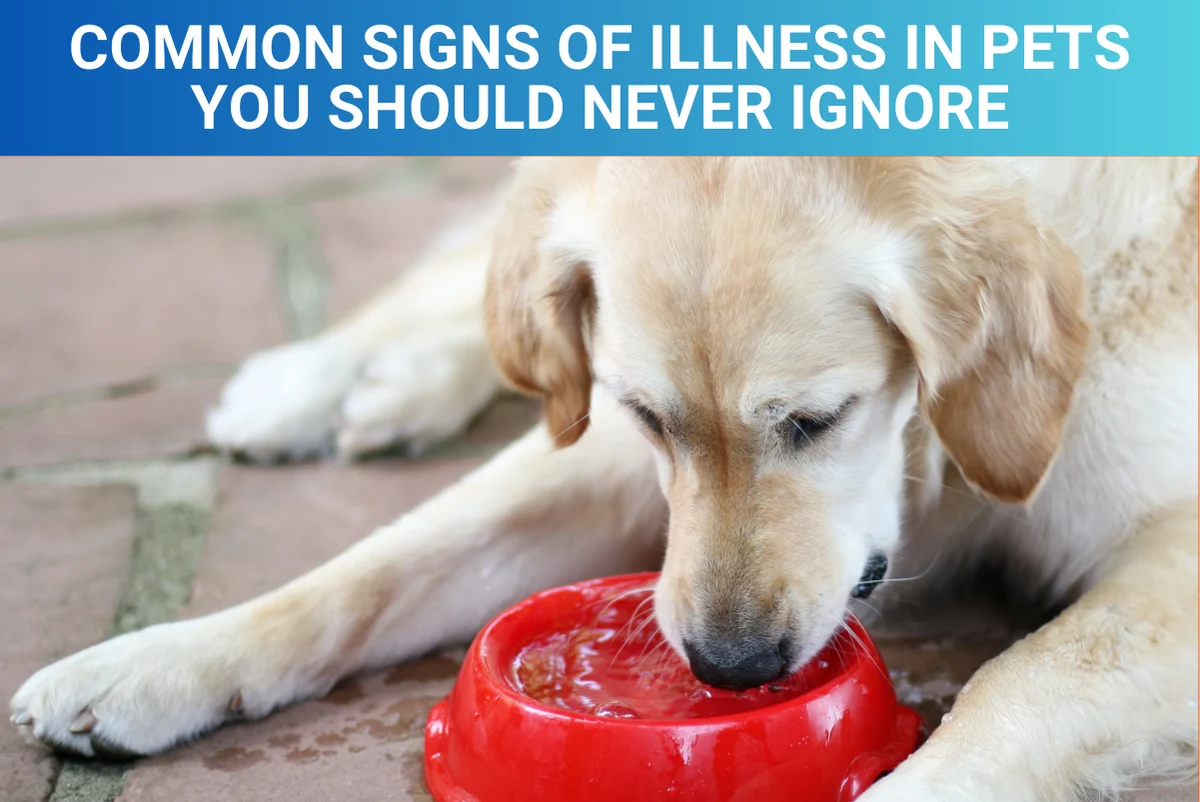
- Drinking more water and urinating more often or in larger amounts
- Accidents in the house or larger clumps in the litter box
- Reduced appetite or picky eating
- Weight loss and muscle wasting
- Vomiting, nausea, or drooling
- Bad breath with an ammonia-like odor
- Lethargy, weakness, or a dull, unkempt coat
- Mouth ulcers in more advanced cases
Vomiting and appetite changes overlap with many other problems. Our page on vomiting and diarrhea in pets can help you decide when a visit is needed.
Prevention Starts With Routine Care
Not every case of kidney disease can be prevented, but you can lower your pet's risk and catch problems early. These steps help:
- Keep up with routine exams and checkups.
- Schedule regular pet dental care.
- Keep the leptospirosis vaccine current for at-risk dogs through our vaccination program.
- Maintain a healthy weight. Our page on pet obesity explains why weight matters for long-term organ health.

How We Diagnose and Manage Kidney Disease
Diagnosis starts with a physical exam and diagnostics and blood work. Blood values such as BUN, creatinine, and SDMA show how well the kidneys are filtering. A urinalysis tells us how well your pet concentrates urine and whether protein or infection is present. We may also check blood pressure or recommend imaging. These results let us stage the disease and tailor treatment to your pet.
Management plans often include:
- A prescription kidney-support diet
- Hydration support, including subcutaneous fluids that many owners learn to give at home
- Medications to control blood pressure, nausea, phosphorus levels, and protein loss
- Recheck visits and lab work to track progress and adjust care
Kidney Disease FAQs
Can kidney disease in pets be cured?
Chronic kidney disease cannot be cured because the damage is permanent. It can often be managed well with diet, fluids, and medication, and many pets live comfortably for months to years after diagnosis. Some cases of acute kidney injury can improve significantly with prompt treatment.
Are cats or dogs more likely to get kidney disease?
Both can develop it, but chronic kidney disease is especially common in older cats. Routine senior screening is one of the best ways to catch it early in both species.
How is kidney disease diagnosed?
We use a combination of blood work (including BUN, creatinine, and SDMA), a urinalysis, and a blood pressure check. Imaging may also be recommended. Together, these tests show how well the kidneys are working and help us stage the disease.
What should I feed a pet with kidney disease?
Prescription kidney diets are formulated with controlled phosphorus and high-quality protein to reduce strain on the kidneys. Our veterinarians will recommend a diet that fits your pet's stage and preferences, and we can help if your pet is reluctant to eat.
What toxins can cause sudden kidney failure?
Common culprits include antifreeze, lilies (extremely dangerous to cats), grapes and raisins in dogs, and some human pain relievers such as ibuprofen. If you suspect your pet has been exposed, call us at (252) 247-5595 immediately. After hours, go to the nearest emergency veterinary hospital.
How often will my pet need rechecks?
It depends on your pet's stage and how stable the disease is. Many pets are rechecked every few months with blood work and blood pressure monitoring. Pets that are newly diagnosed or adjusting to new medications may need more frequent visits.
Can I give subcutaneous fluids at home?
Yes. Many owners learn to give fluids under the skin at home, and it is often well tolerated by pets. Our team will show you how to do it step by step and answer any questions along the way.
Give Your Pet the Support Their Kidneys Need
Early detection makes a real difference in how well pets with kidney disease feel and how long they thrive. Whether your pet is due for senior blood work or you've noticed changes in thirst, appetite, or weight, Bridges Professional Park Animal Hospital is ready to help. Call (252) 247-5595 or request an appointment online. New to our practice? Visit our new clients page to get started.